NOT ENOUGH TO SEE
How to see?
Where to see from?
What limits to vision?
What to see for?
Whom to see with?
Who gets to have more than one point of view?
Who gets blinded?
Who wear blinders?
Who interpret the visual field?
What other sensory powers do we wish to cultivate besides vision?
In the history of westerncivilization we appropriate the world in the form of images.
A civilisation of the gaze,founded on the primacy of theeye and the sovereignty of the observer subject.
What it means to see?
how necessary it is to exchange glances?
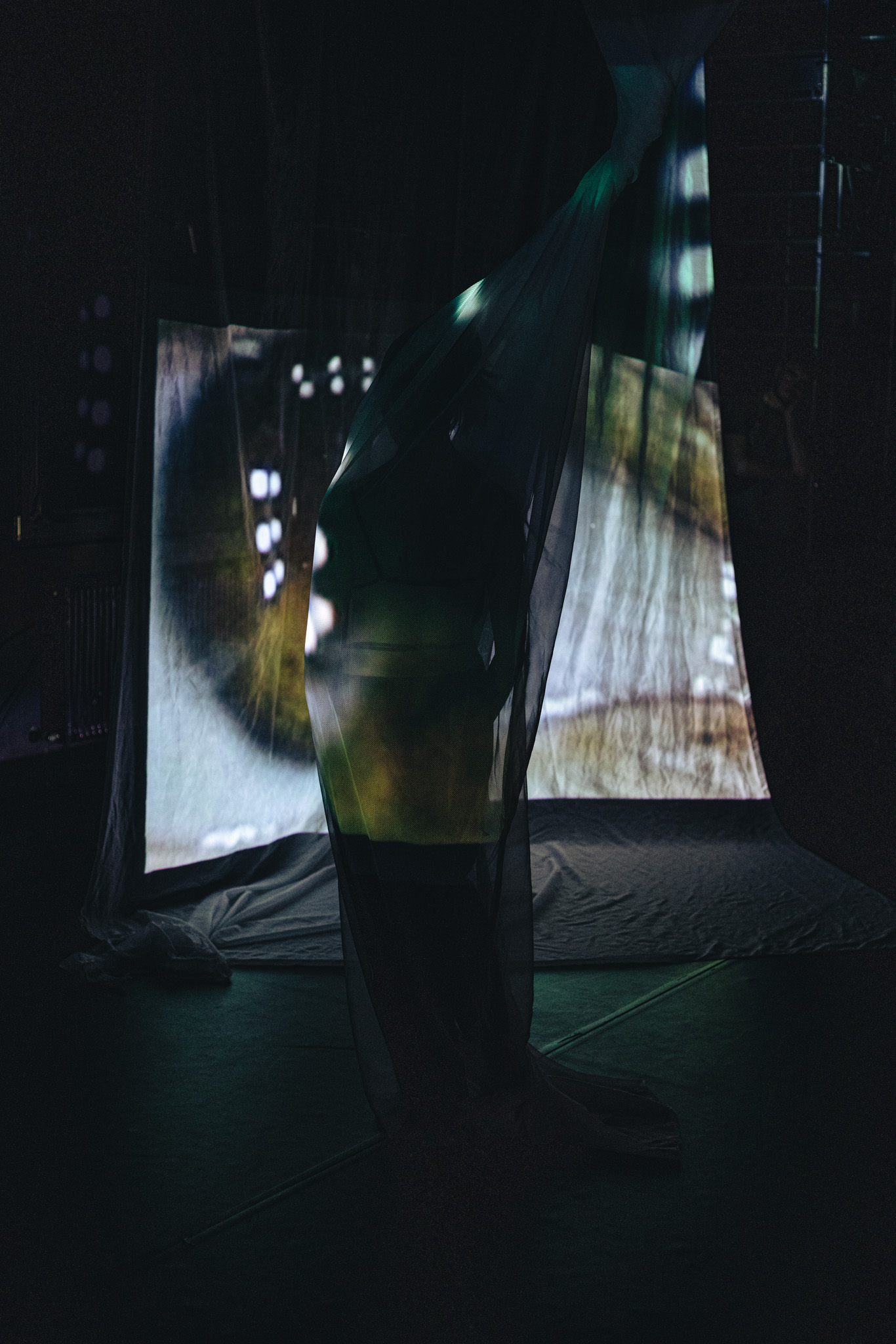
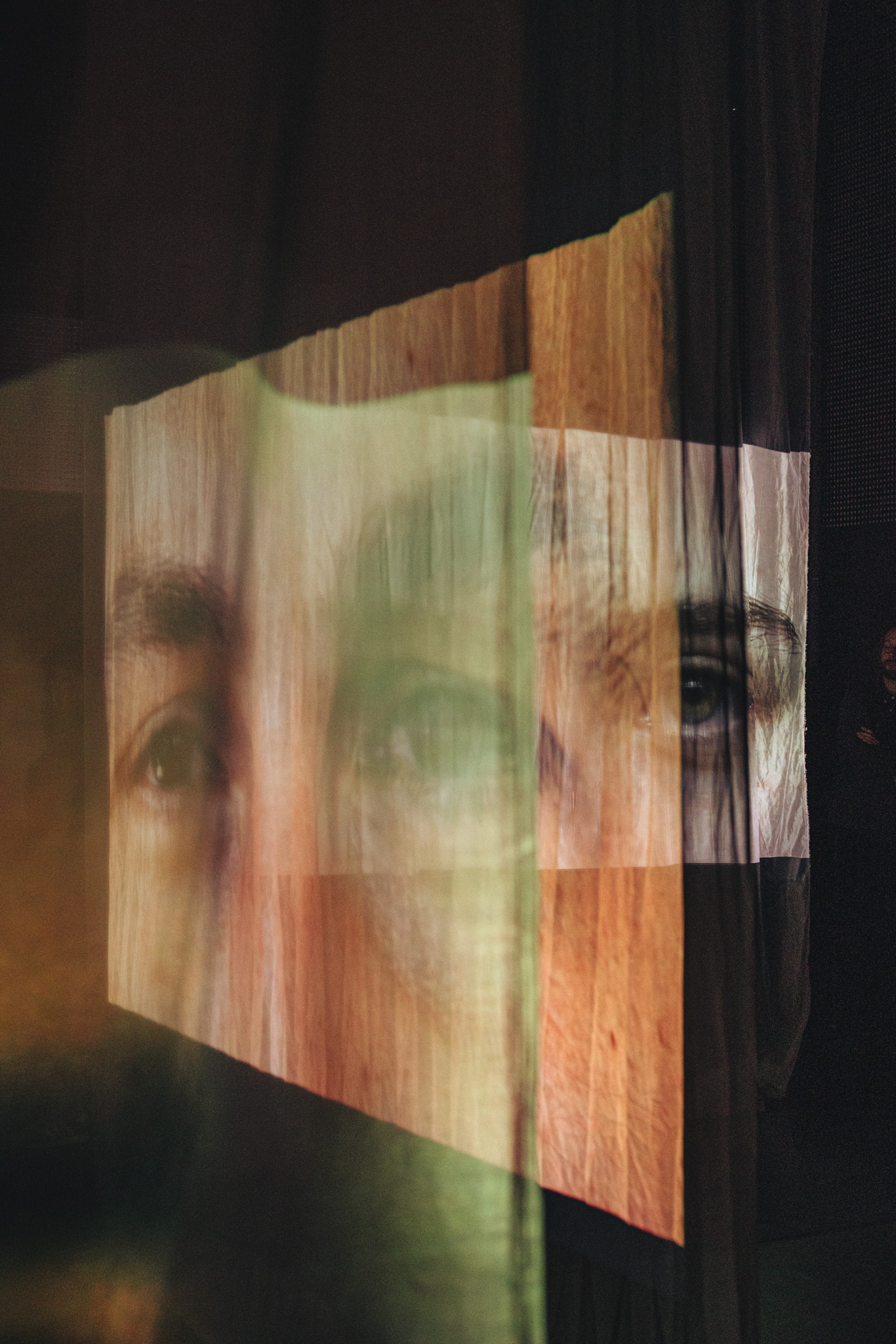
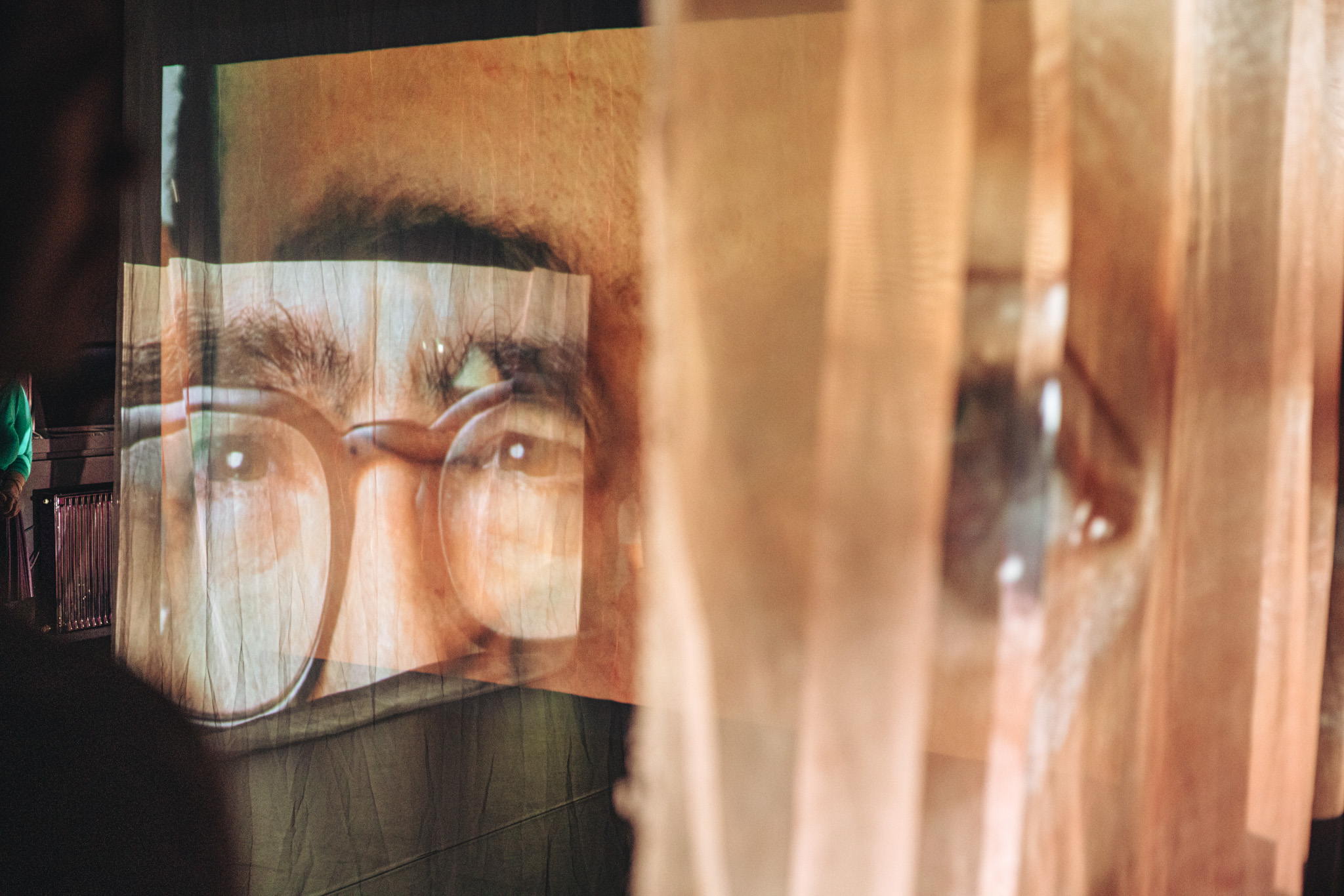
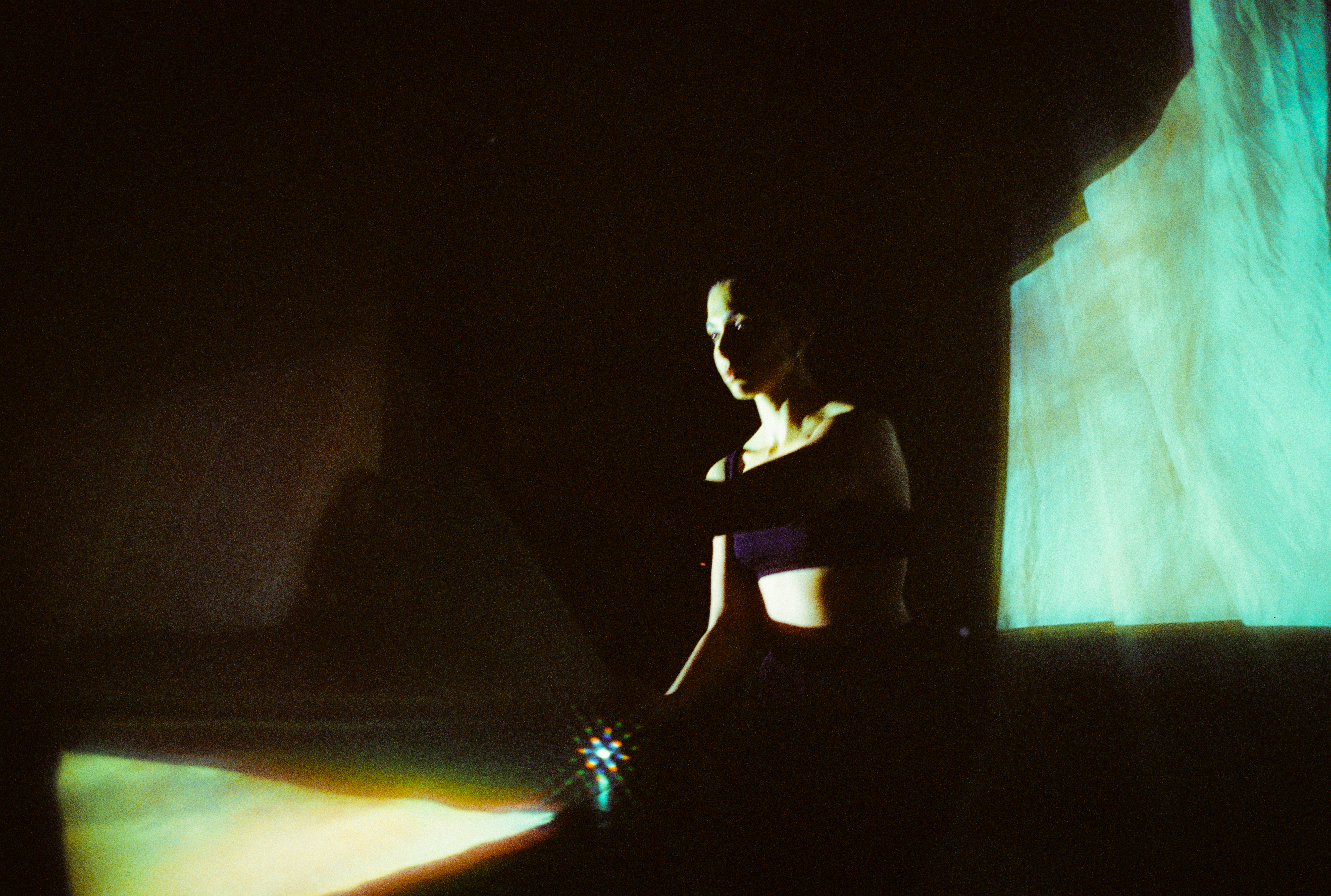
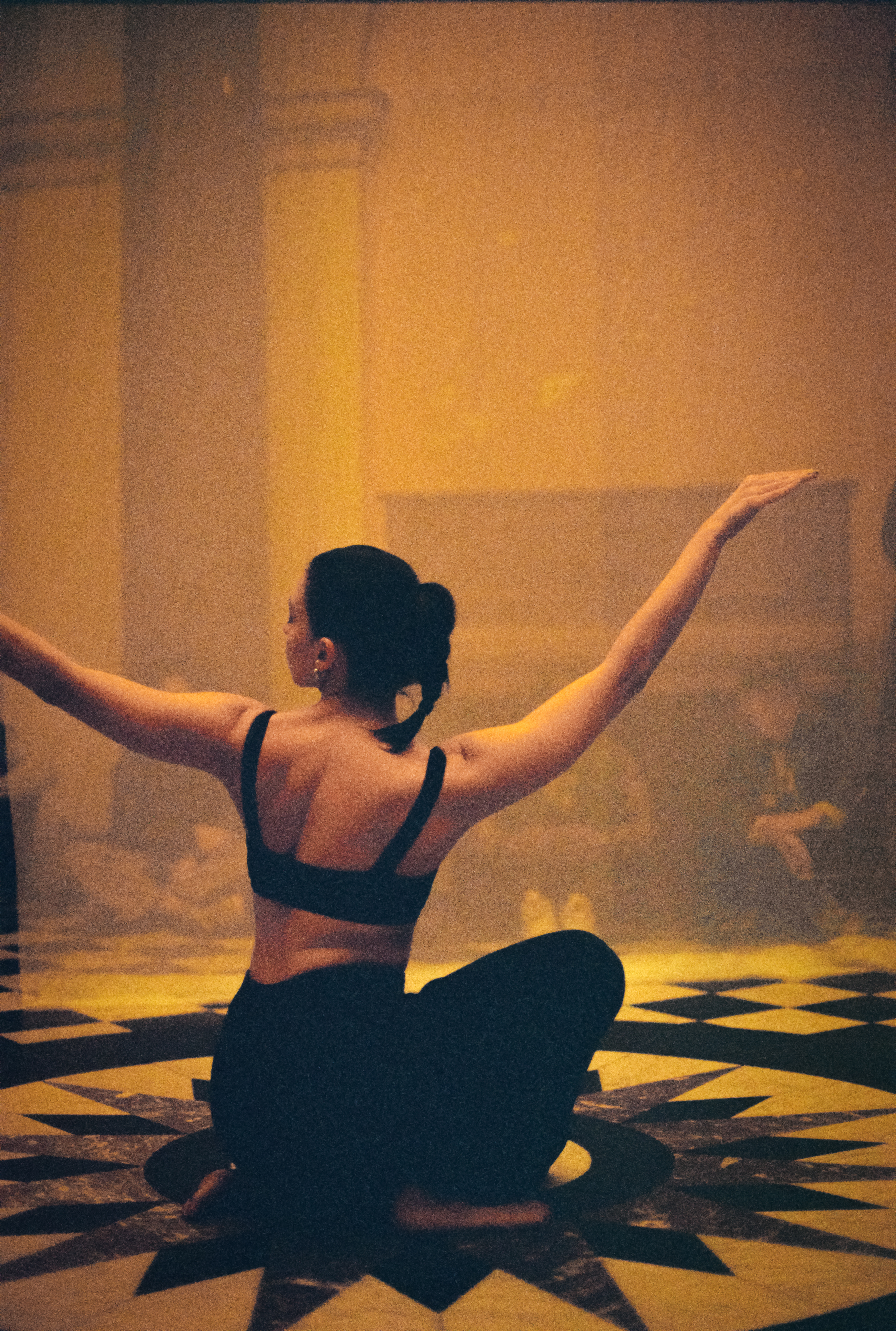
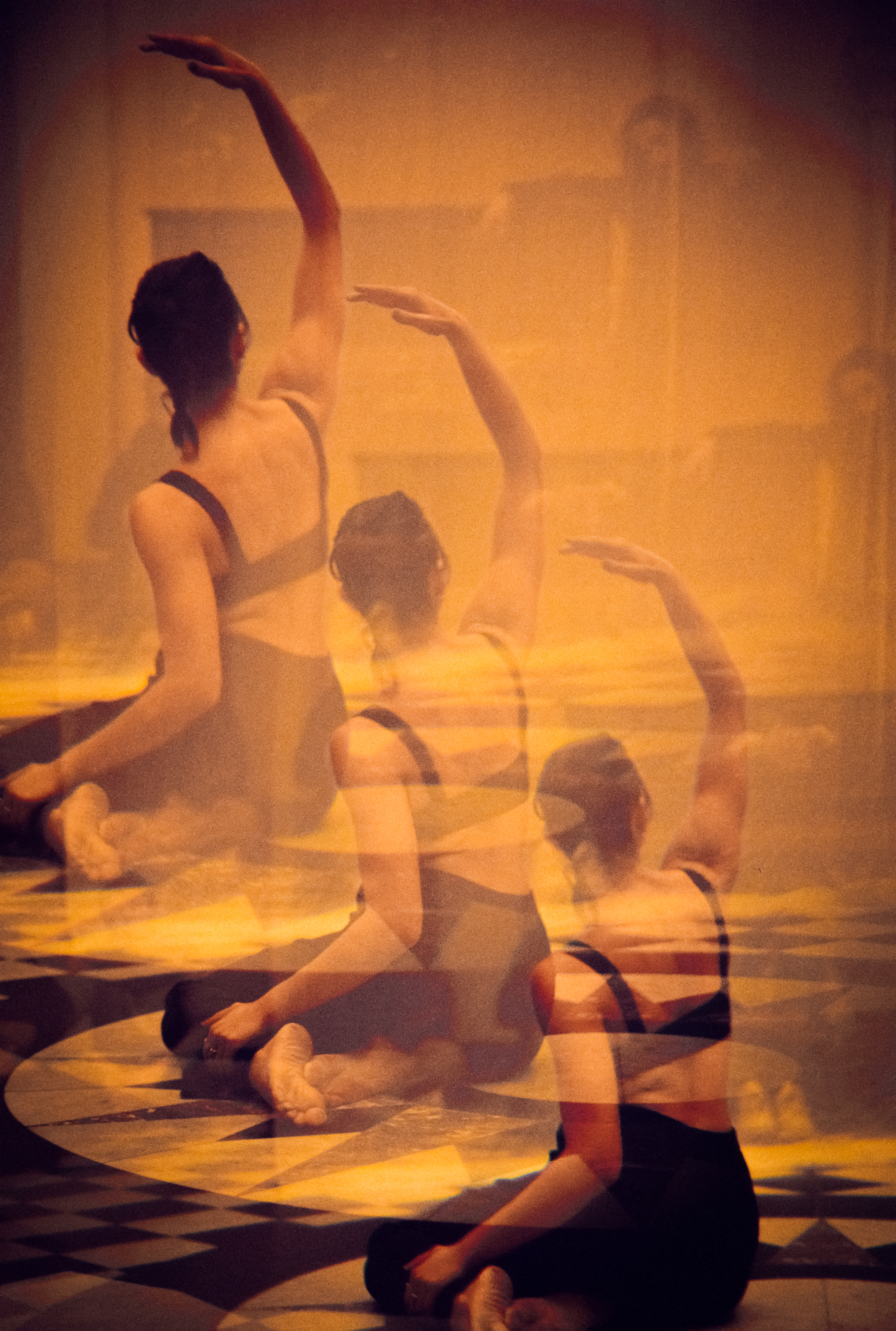
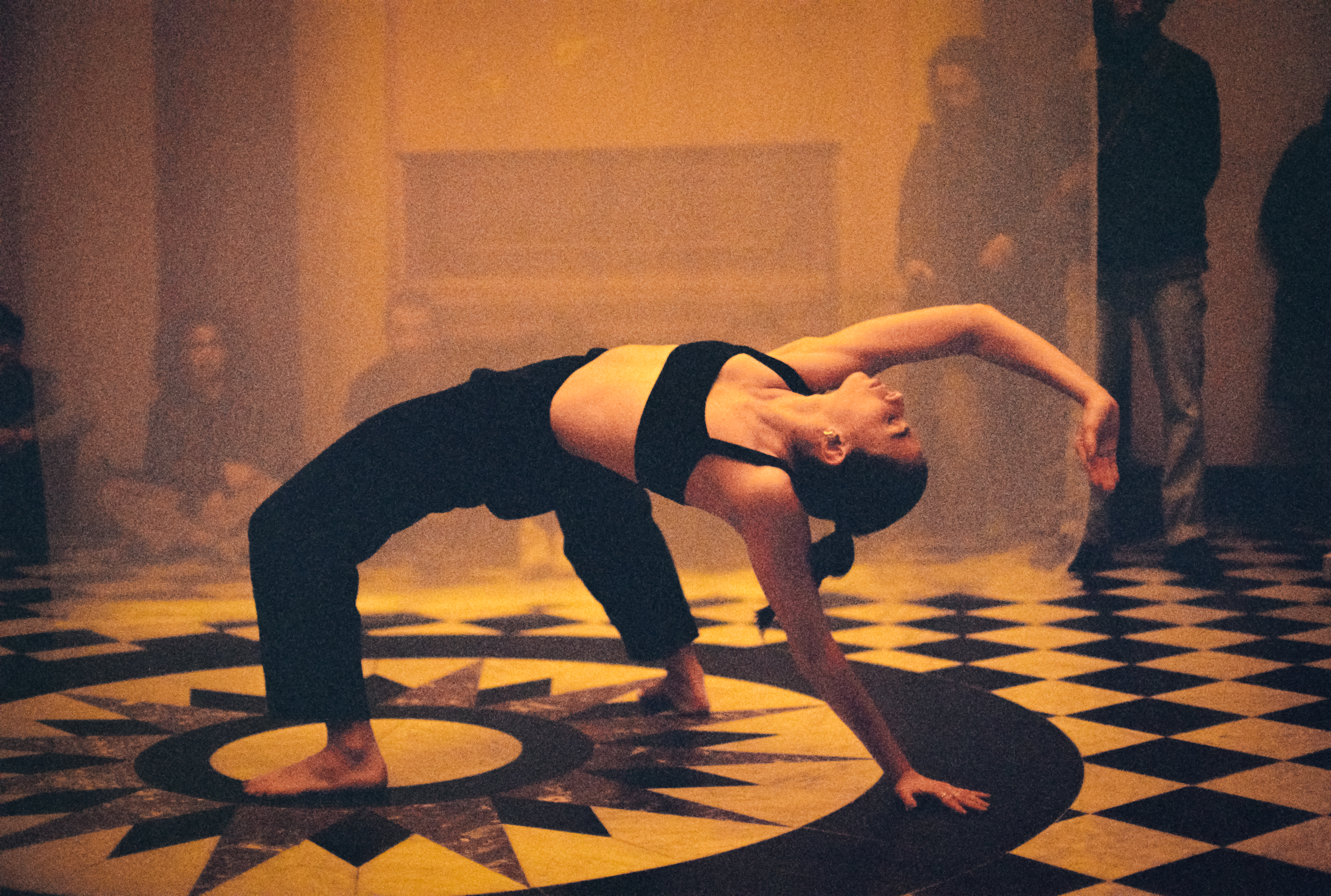
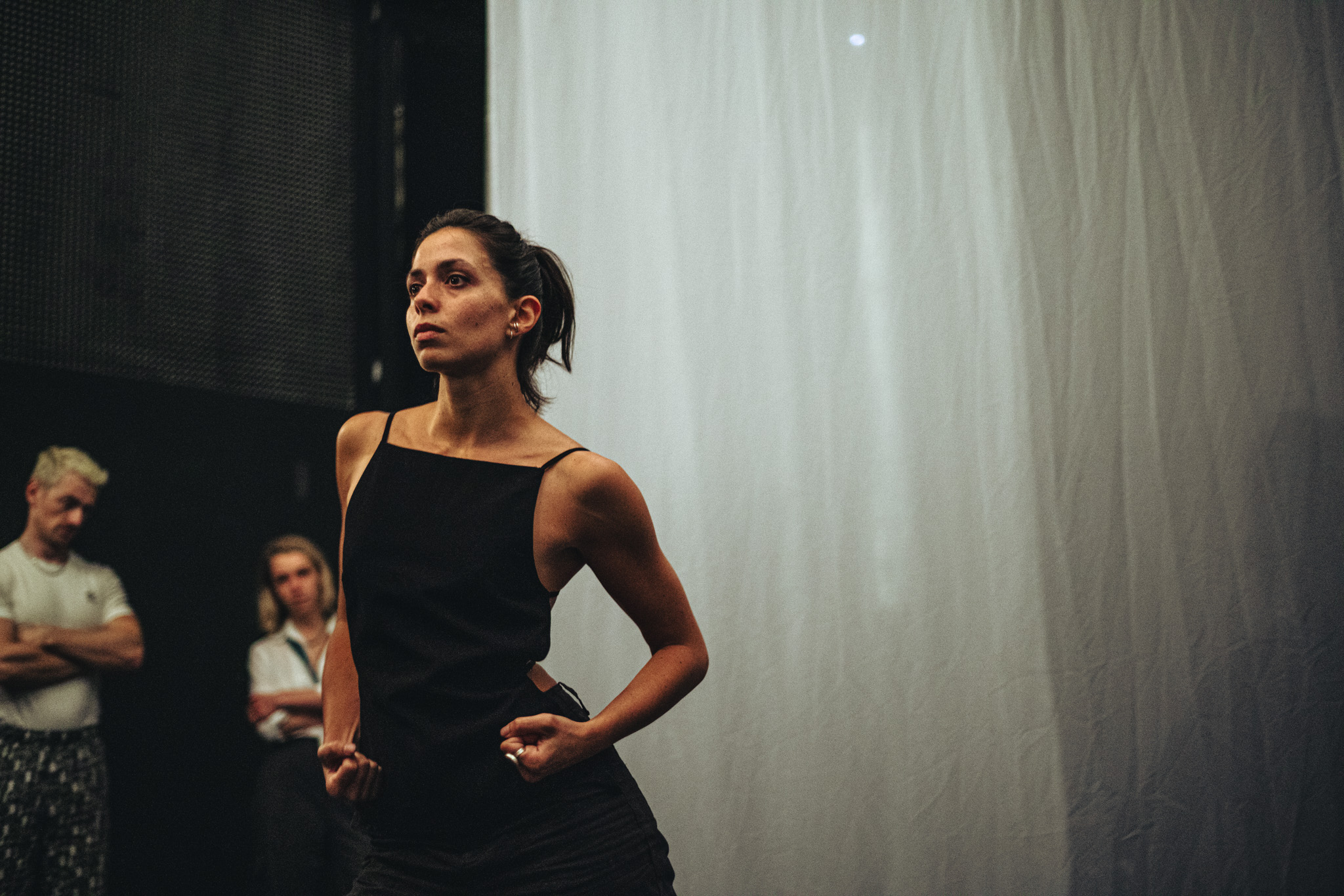
NOT ENOUGH TO SEE is a trans-disciplinary research project that question intimate human connection throught the complexities of the sense of sight and the act of gazing. It interrogates how vision shapes our understanding of the world and structures our interpersonal relationships.
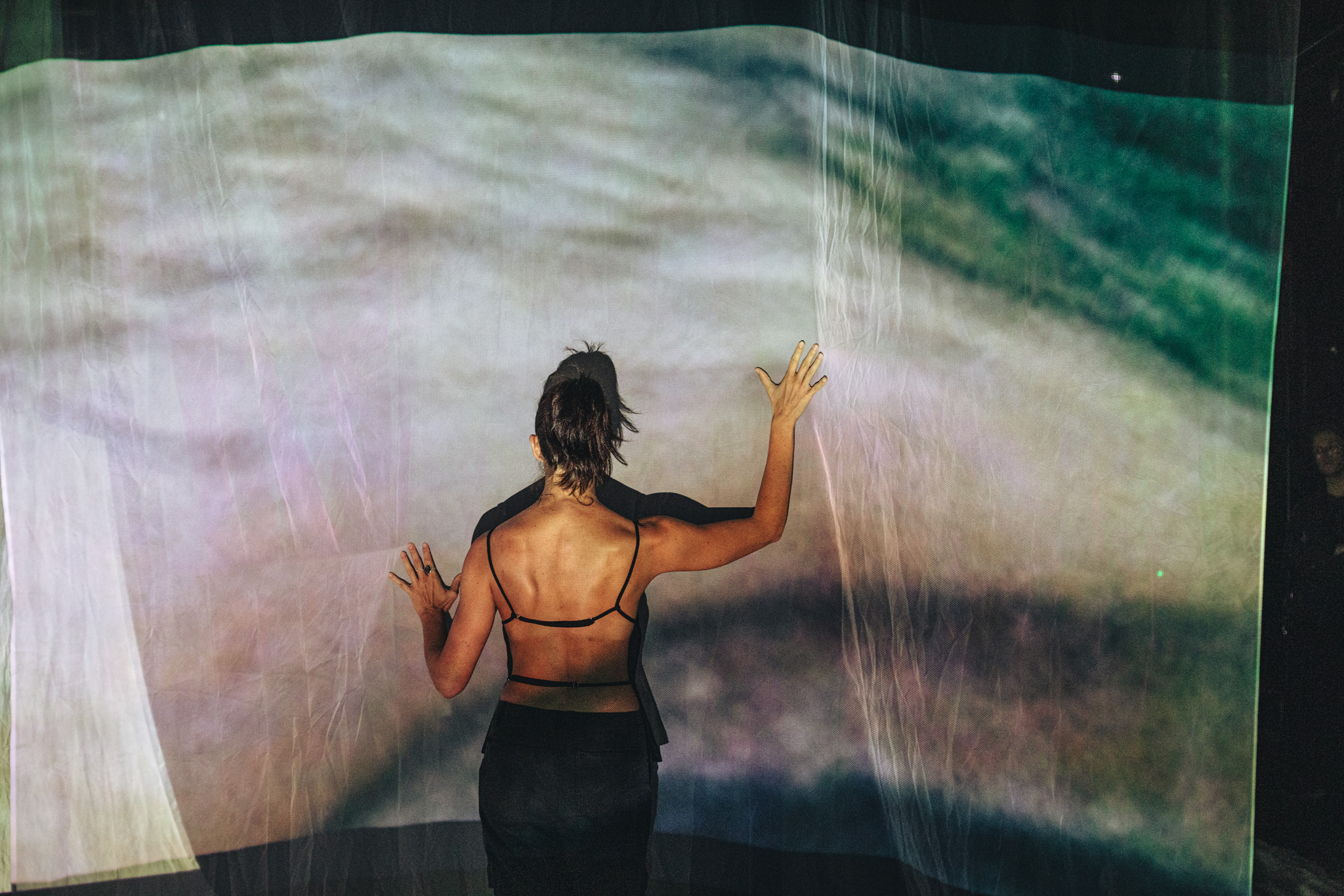
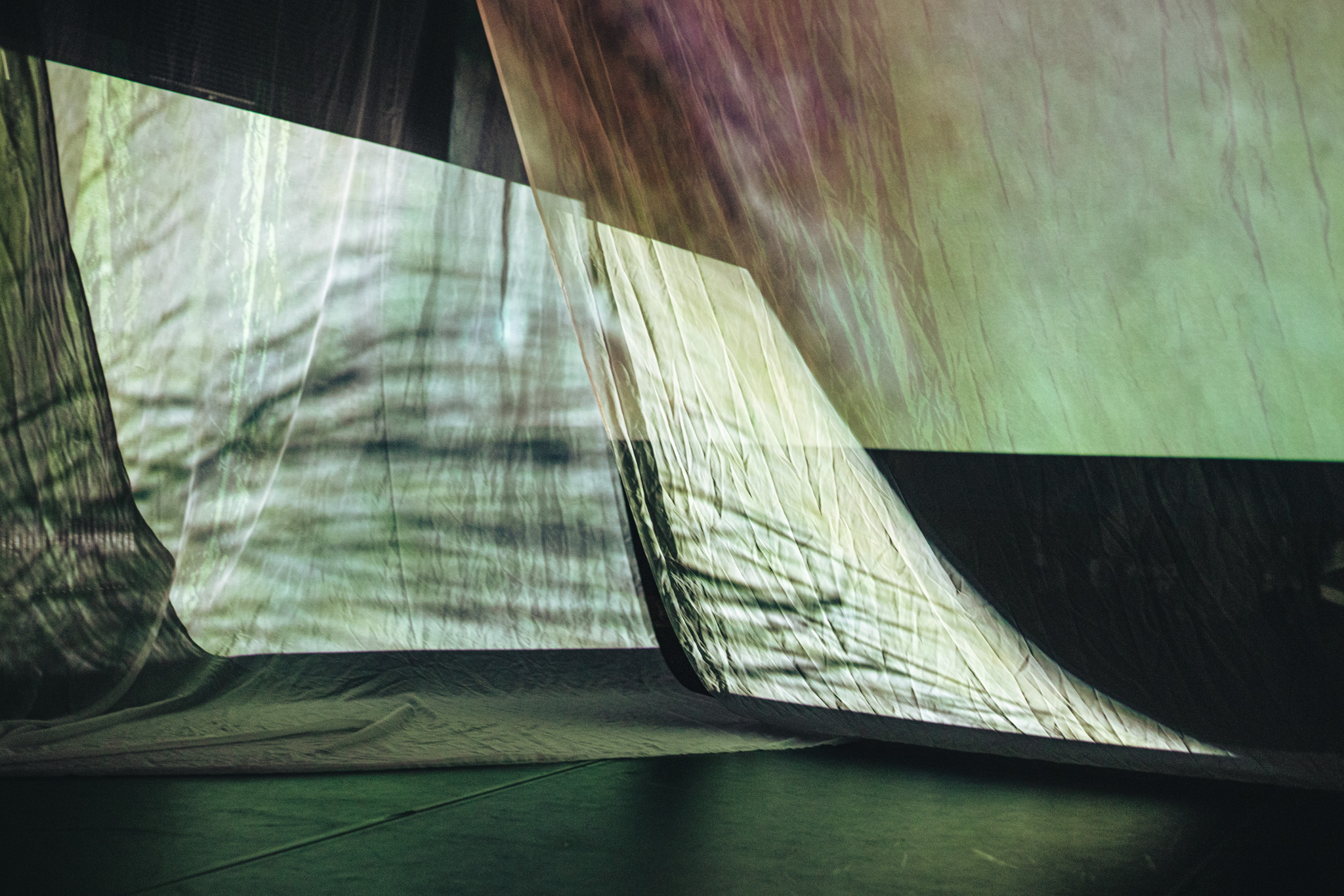
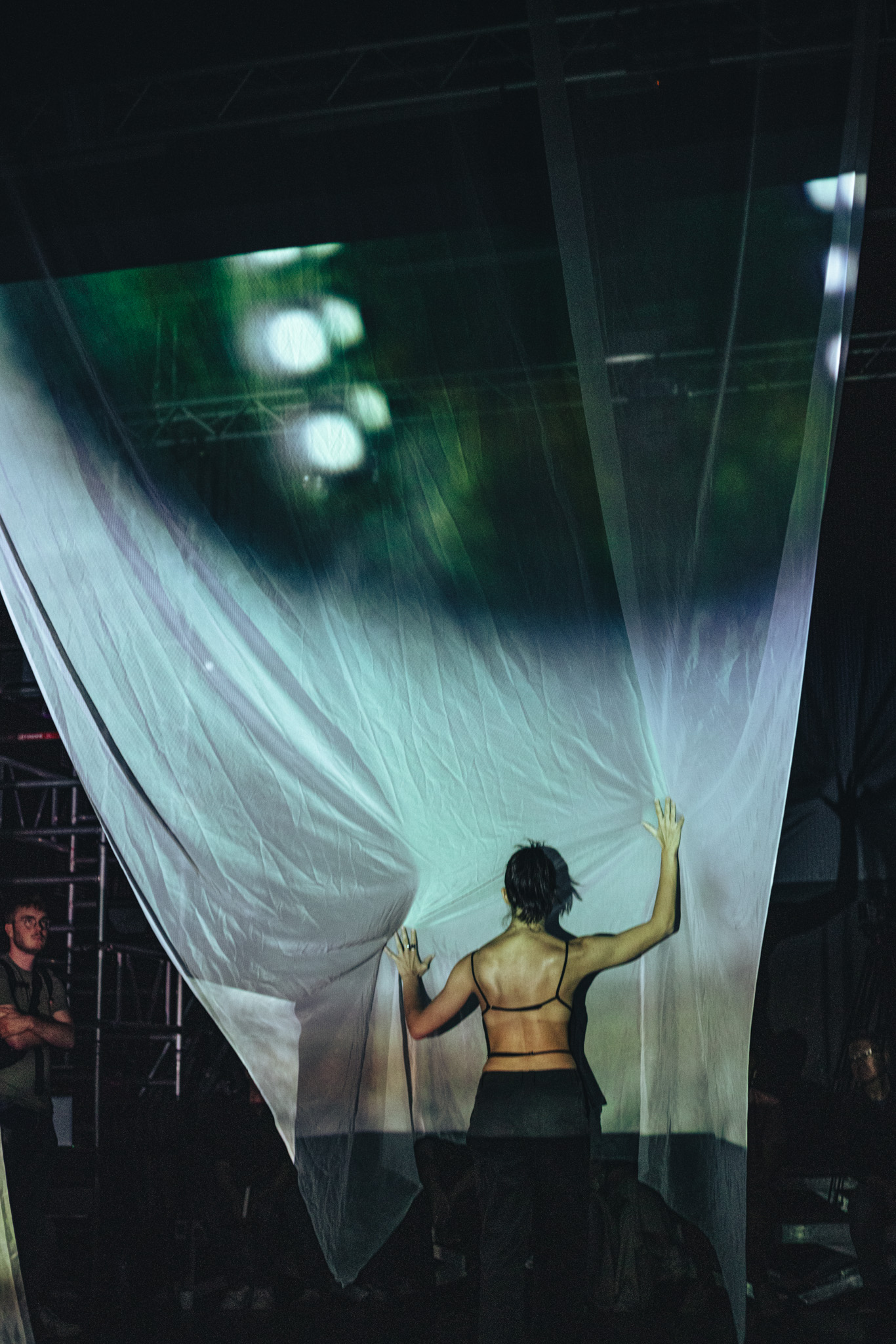
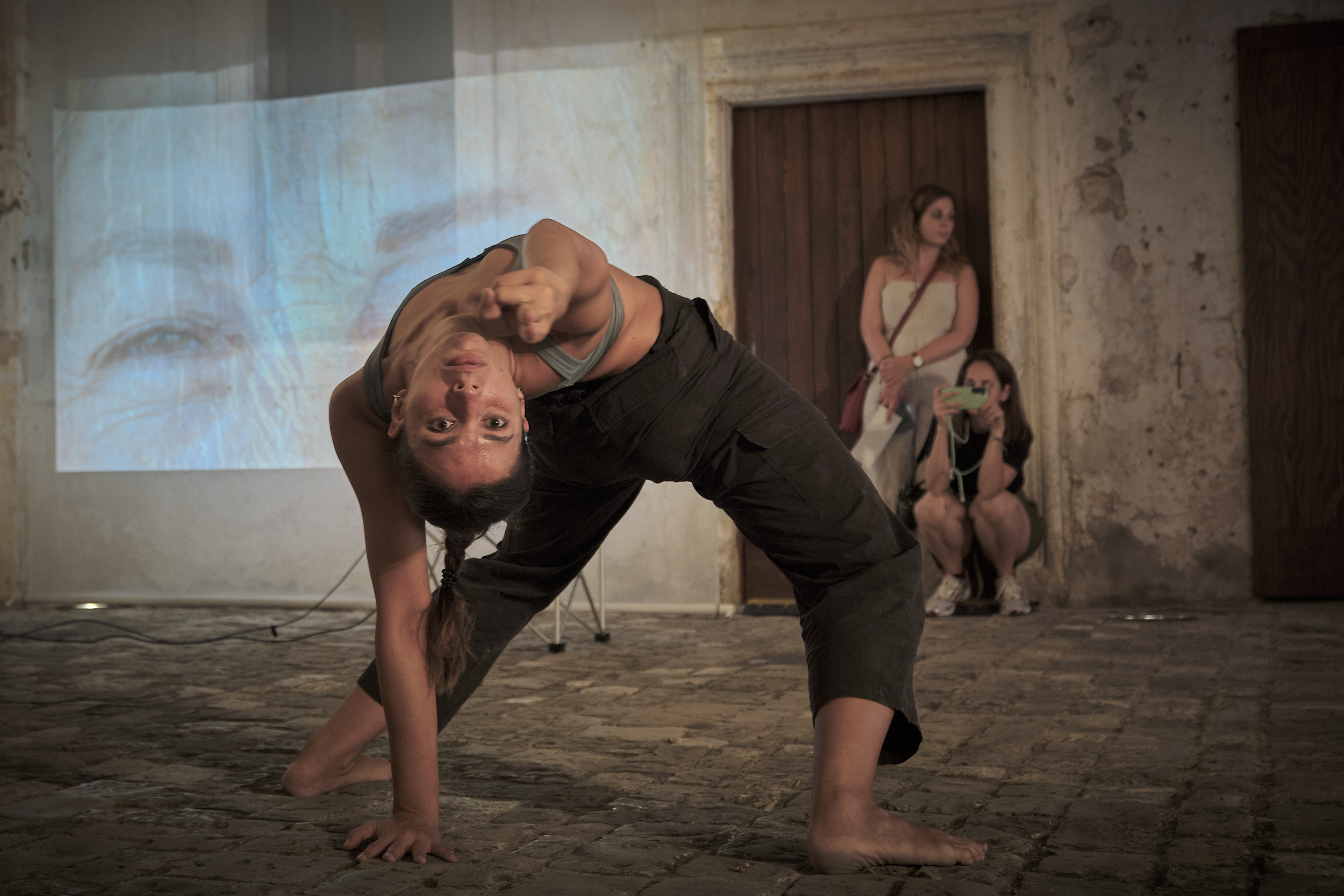
From this inquiry emerges a hybrid performative device, an experience situated in a liminal space between dance performance and immersive art installation. This open and safe environment acts as a dynamic laboratory, merging movement research, spontaneous dialogue, theoretical frameworks, a curated soundscape, and elements of video art.
The project is grounded in a series of intimate interviews with the participants, which form the raw, authentic material of the creation. By treating the eye not only as a biological organ but as a potent social and political instrument, the work investigates its capacity to forge alternative relational models. These proposed connections are consciously founded on a critical balance of power and a shared, consensual pleasure in the encounter.
The device is theoretically anchored in the work of feminist sociologist Roslyn W. Bologh, whose ideas on an alternative human sociability to the relational modes of competition, conflict and coercion that tend to dominate relations in a consumer society, are physically embodied within the space.
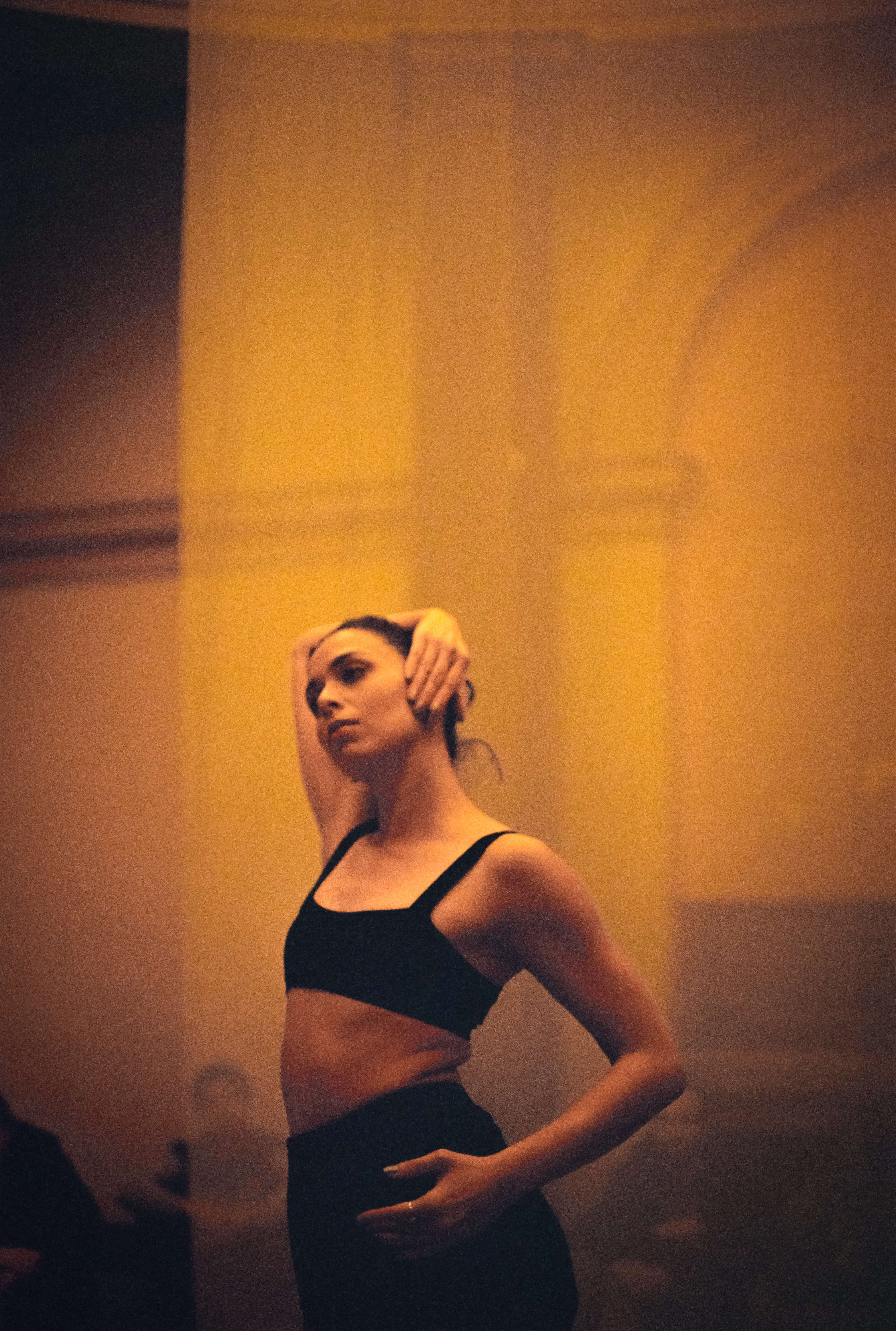
In this intimate environment, the performer as a facilitator, guide participants through a series of situations and structured yet fluid interactions. The audience is invited to the possibility to actively play and move within the performance space, consciously navigating and blurring the traditional lines between the "observing subject" and the "observed object."
This collective, co-creative process becomes a micro-sociological experiment, culminating in the formation of a temporary community that is deeply felt, challenging and reimagining the very dynamics of the gaze.
Concept & performance Silvia Marazzi
Set and video design Kristel Zimmer
Drammaturgy and music assistance Joris Blanquaert
Live music Inga Stenøien/Gasper Piano
Sound Wilson Tanner Smith
Costume Karl Joonas Alamaa
Light design Rommi Ruttas, Jari Matsi
Co-produced and supported by : Eesti Muusika- ja Teatriakadeemia, DeBijloke, LOD, KASK, IOA, Conservstorium Gent, HO Gent, Spectra